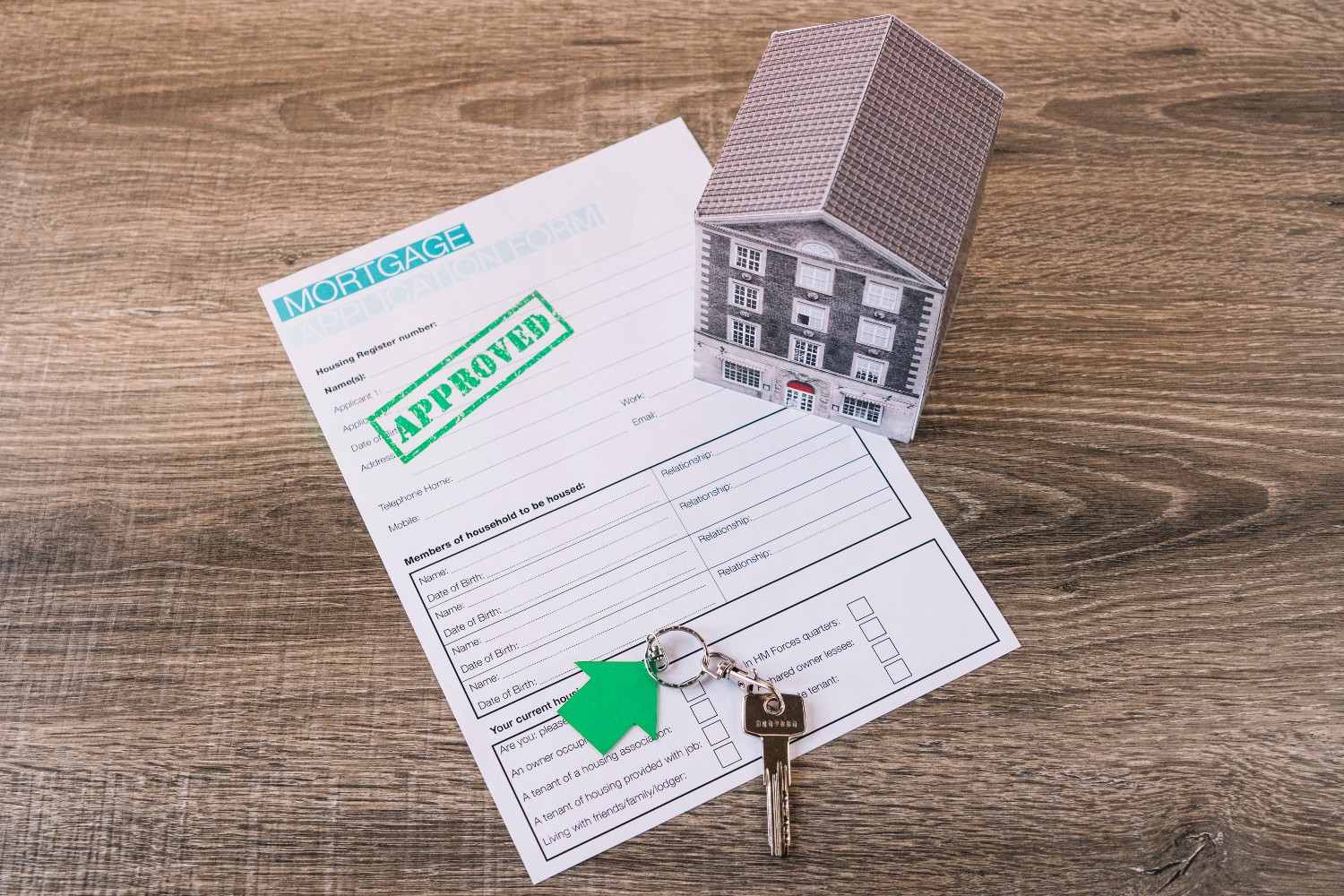
Buying a home is rarely just a financial decision. It’s emotional, stressful, and often filled with questions you wish someone had answered clearly. That’s exactly why the Real Estate (Regulation and Development) Act, 2016, better known as RERA, was brought in. Fully in force since 1 May 2017, it aims to make the process fairer and more transparent for buyers.
What is RERA in simple terms?
RERA is a central law that requires most real estate projects and agents to register with a state-level authority. The idea is straightforward: developers must share important details openly, keep buyer money safer, stick to promised timelines, and face consequences if they don’t. Each state has its own RERA body that handles registration and complaints.
Why did we need RERA in the first place?
Many buyers used to struggle with the same problems. Possession dates kept stretching. Money paid for one project sometimes disappeared into another. Area figures were confusing because of terms like super built-up. Agreements often favoured the builder, and getting justice meant long court battles. RERA was designed to fix these gaps. Even if you are exploring property in kolkata, these rules now give you a stronger starting point than buyers had years ago.
Which projects come under RERA?
Generally, any residential or commercial project on land larger than 500 square metres or with more than eight apartments must register before it can be advertised or sold. Smaller projects may be exempt, though some states tighten the rules further. Projects that were already underway but didn’t have a completion or occupancy certificate when the law started also had to register.
What actual protections do you get as a buyer?
Registration and open information
A developer cannot market a covered project without a valid RERA number. Once registered, details like land title, approved plans, timelines, and any legal issues appear on the state RERA website. You can check everything yourself before paying anything.
Your money stays with the project
At least 70% of the amount collected from buyers goes into a separate bank account meant only for that project’s land and construction costs. This rule exists specifically to stop funds from being diverted elsewhere.
Carpet area is the real measure
Prices must be based on carpet area, which is the usable space inside the walls. This removes a lot of the earlier confusion caused by inflated super built-up numbers.
Advance payment is limited
A developer cannot take more than 10% of the total cost before a proper registered Agreement for Sale is signed. This protects you from being locked in too early with incomplete paperwork.
Possession date and delay options
The agreement must clearly state the possession date. If the developer misses it, you can either leave the project and claim a full refund with interest, or stay and receive interest for every month of delay. Most states calculate this interest using SBI’s lending rate plus 2%.
Five-year responsibility for defects
If structural problems or quality issues appear within five years of possession, the developer has to fix them free of cost, usually within 30 days of being told.
No major changes without your say
Significant changes to the approved plans normally need written consent from at least two-thirds of the buyers.
You also get the right to see sanctioned plans, construction schedules, and a clear title warranty. Agents selling in registered projects must be registered themselves.
Has RERA made a difference?
By early 2025, around 1.38 lakh projects and nearly 96,000 agents had been registered across India. A similar number of complaints had been disposed of. Some states have shown particularly active registration and faster complaint handling in recent years.
A practical checklist before you book
Start by confirming the project’s RERA registration number on the official state portal. Then look at the land title, any encumbrances, sanctioned plans, and pending cases. Make sure the carpet area and possession date in the draft agreement match what was shown to you. Check that the developer is not asking for more than 10?fore the registered agreement. Look at their past projects and any existing complaints. Confirm the payment plan is linked to construction progress. Finally, have a lawyer review the agreement and title documents, and verify that any agent involved is also registered.
When you are looking at a flat in Newtown, these checks become especially useful because the portal gives you official information rather than just marketing claims.
What if something goes wrong?
You can file a complaint with the state RERA authority. The process is meant to be quicker than regular civil courts. The authority can order refunds, interest, compensation, or project completion. If you are not satisfied, you can approach the Appellate Tribunal and later the High Court.
Developers who sell without registration can face fines up to 10% of the estimated project cost, and continued violations may attract further penalties or even imprisonment. Other breaches can lead to fines of up to 5% of the project cost or daily penalties.
A few honest limitations
Not every project is covered. Very small ones may fall outside the rules. Enforcement quality still varies from state to state. Registration shows the project has met disclosure requirements, but it does not guarantee perfect quality or on-time delivery in every case. Title issues or delays in external approvals can still happen. So always pair the RERA checks with your own legal and technical due diligence.
Quick answers to common questions
Does every project need RERA registration?
No. Only those above the size threshold generally do. Always check the rules of the specific state.
How do I verify a project?
Go to the official state RERA website and search by project name or registration number. The information is free.
What can I do if possession is delayed?
You can either take a full refund with interest or stay and claim interest until the keys are handed over.
Can the builder change plans after booking?
Major changes usually need consent from at least two-thirds of the buyers.
Who is responsible for defects after possession?
The developer remains liable for five years and must repair structural or quality issues free of cost.
If you are considering flats at Rajarhat Newtown Kolkata, the same verification process applies and remains the safest way to start.
One last piece of advice
The single most useful step is still the simplest one: verify the RERA number and go through the disclosed documents yourself before making any meaningful payment. Treat the registration and the registered Agreement for Sale as non-negotiable. Combined with proper legal checks, these rules give buyers far more clarity and protection than existed before 2017.
For anyone searching for RERA approved flats Newtown, taking these steps carefully can help you move forward with more confidence and fewer surprises.