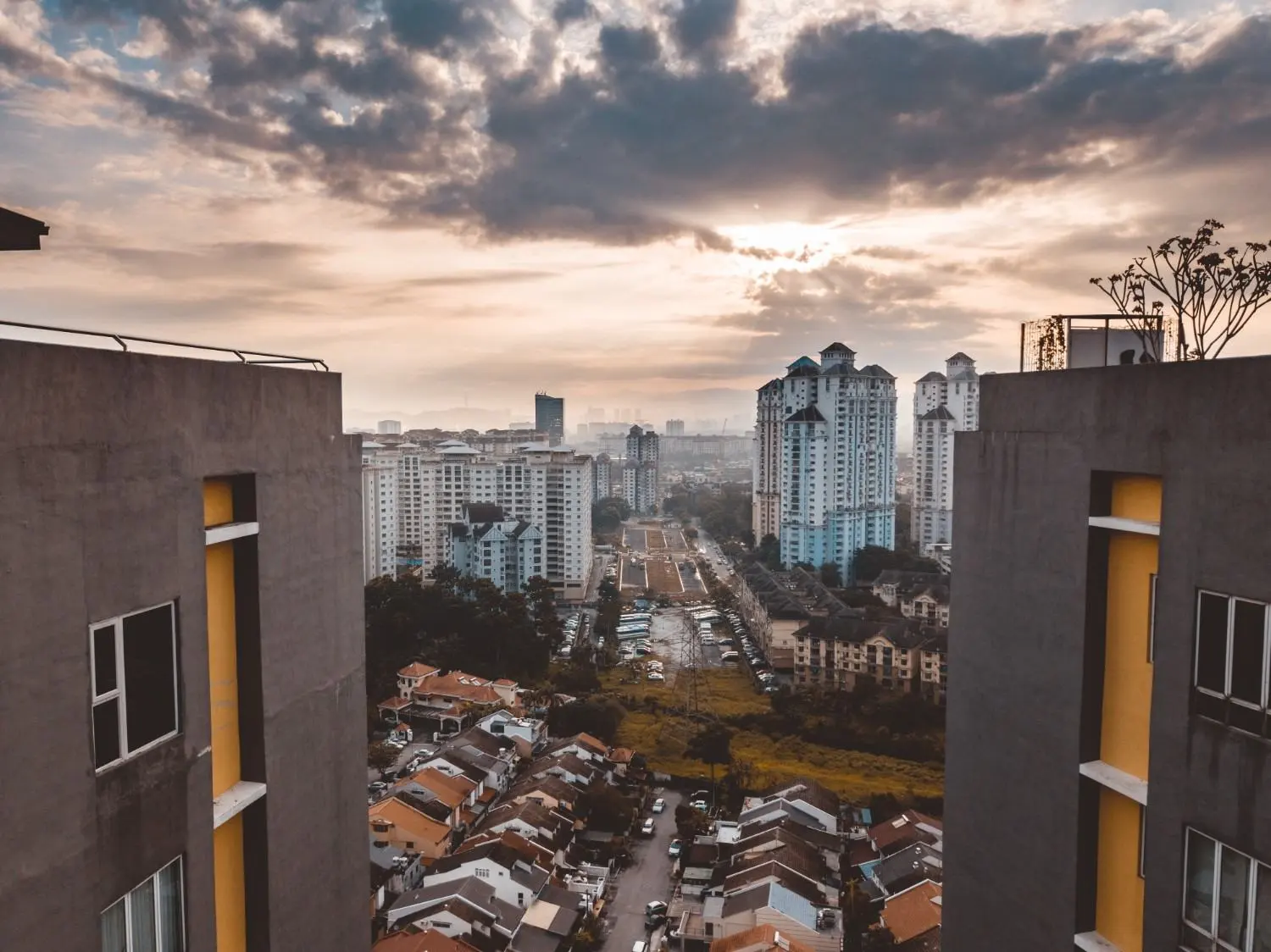
Something interesting is happening in Kolkata’s housing market right now. After years of steady but quiet activity, the numbers and on-ground developments are starting to point in a clearer direction. Sales are up, inventory is coming down, infrastructure is finally moving, and policy talk has turned more constructive. For anyone watching the space, these are the signals that matter.
Sales Are Climbing While Stock Is Shrinking
Between January and September 2026, housing sales in the city rose 4 percent to 13,022 units. At the same time, new launches slipped 2 percent to 11,503 units. The result? Unsold inventory fell by about 10 percent and now sits near 18,100 units.
When demand overtakes fresh supply like this, the market usually firms up. Prices don’t spike overnight, but the pressure builds in a healthy way. That pattern is visible across several pockets today.
Prices Are Rising, But Not Running Away
The average residential price touched roughly ₹5,961 per square foot in the third quarter of 2026, a 4.2 percent year-on-year rise. Some reports even noted capital value growth crossing 11 percent in certain sub-markets.
What stands out is the balance. Kolkata still feels more affordable than most other big cities, yet values are moving up. That combination rarely lasts forever, which is why many buyers are paying closer attention now.
Buyers Are Moving Toward Bigger and Better Homes
A few years ago, homes under ₹50 lakh made up the bulk of the market. That’s changing. Mid-segment properties between ₹50 lakh and ₹1 crore, along with premium options above that, now account for a much larger share of both launches and sales.
People are also asking for more space. Three and four bedroom homes are seeing stronger interest than the compact 2BHKs that once dominated. It reflects growing confidence and a willingness to spend on better living.
East Kolkata Is Pulling Ahead
If you look at where the action is concentrated, the eastern side stands out. New Town, Rajarhat and the stretch along the EM Bypass together contribute close to one-third of all new launches and sales.
These areas sit close to the big employment hubs in Sector V and Salt Lake. As connectivity improves, more families and investors are treating them as serious long-term options within Kolkata real estate.
Infrastructure Is Finally Catching Up
Several projects that were stuck for years are now progressing:
- The Orange Line Metro between New Garia and the airport is advancing. The Beleghata to Sector V section is close to opening and should cut travel time to around 30 minutes. Full airport connectivity is expected by 2027.
- Work continues on the Purple Line from Joka toward Esplanade.
- The state has set aside roughly ₹900 crore for an elevated corridor linking the EM Bypass to New Town through Chingrighata and Sector V.
- Talk of a wider ring road is also back on the table.
Better roads and metro links almost always lift demand in the surrounding localities. We’re already seeing that effect in the east.
Policy and Approvals Are Turning Supportive
The government has spoken about reforming or removing the Urban Land Ceiling Act. If that happens, larger land parcels should become easier to develop. At the same time, project clearances have picked up pace. A big chunk of the nearly 600 projects under review has already cleared technical checks. Faster approvals mean stalled sites can restart and confidence returns to the sector.
These changes matter not just for Kolkata but for the broader real estate India landscape, where regulatory clarity often decides how quickly capital flows in.
End Users Still Dominate, and Rentals Hold Up
Unlike some markets that swing on investor speculation, Kolkata continues to be driven largely by people buying homes to live in. Rental demand has stayed steady even when other cities slowed. Yields hover around 4.8 percent, which is respectable compared to many bigger metros.
That end-user base gives the market a certain stability. When genuine demand is present, corrections tend to be milder and recovery more reliable.
What Buyers and Investors Should Keep in Mind
Homebuyers currently have a reasonable window. Prices have not raced ahead, connectivity is improving, and the quality of new projects is better than what was available a few years ago. Eastern locations still offer better value than the older southern and central neighbourhoods.
Investors looking at capital appreciation plus rental income will find the tightening inventory and infrastructure upside useful. The key is sticking to organised projects in well-connected pockets rather than chasing pure speculation.
The Road Ahead
Taken together, the sales numbers, inventory drop, product shift, infrastructure movement and policy signals form a fairly consistent picture. The market is not exploding, but it is clearly strengthening.
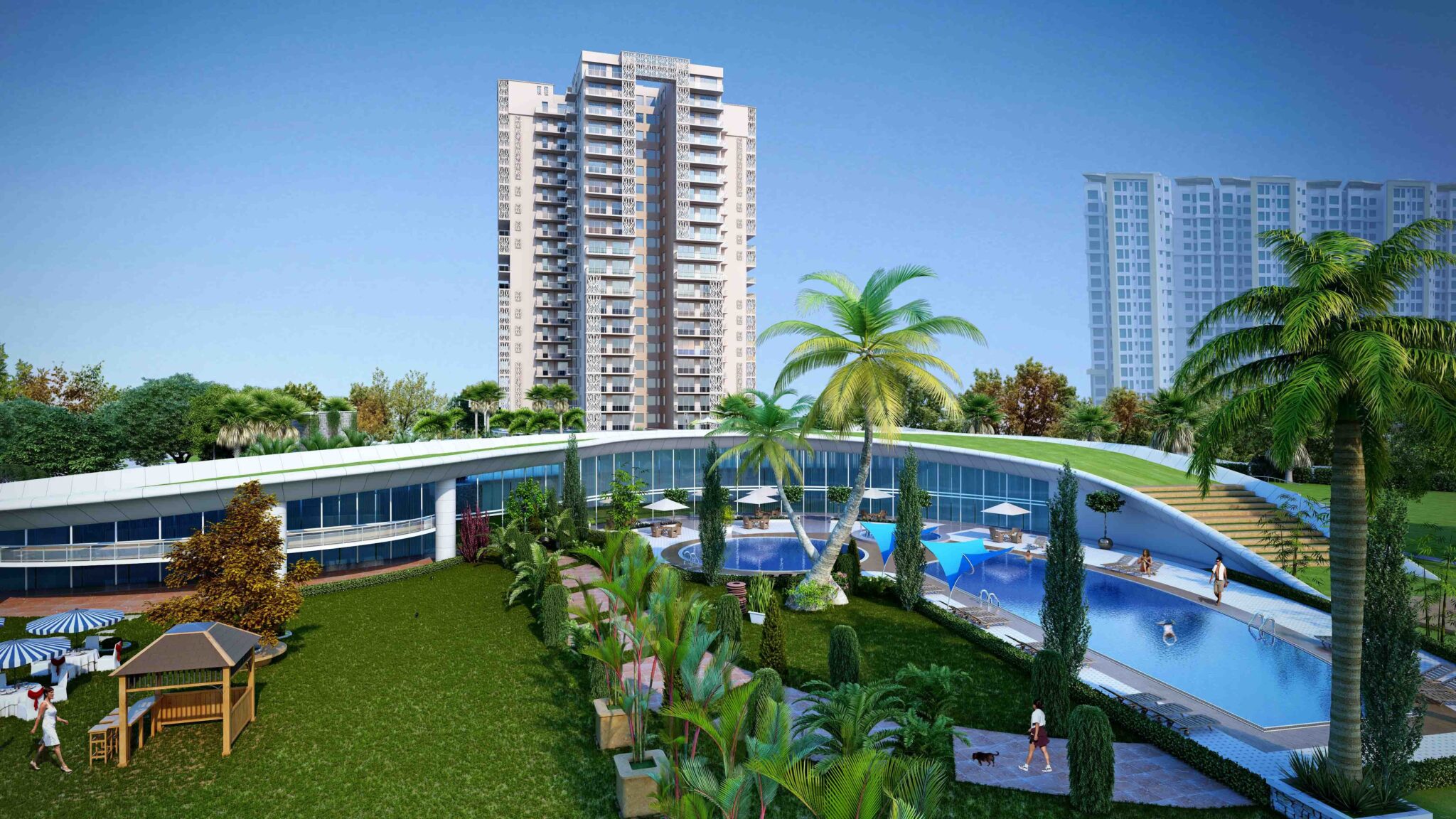
GLS Realty has been building in New Town since 2011 as a real estate company in Kolkata focused on practical, well-designed homes. Projects such as Sonar Tori bring together open spaces, waterfront living and solid connectivity in one of the city’s more promising residential zones.
Anyone searching for 3 bhk flats in Newtown Kolkata will notice that demand for this configuration is rising right along with the broader growth in the area.
The fundamentals look better than they have in some time. For those considering a purchase or investment, the next couple of years appear well worth watching.
Frequently Asked Questions
Is Kolkata’s housing market actually growing in 2026?
Yes. Sales are up, inventory is down, and major infrastructure projects are moving forward. These are the classic early signs of a stronger phase.
Which part of the city is seeing the most activity?
East Kolkata, especially New Town and Rajarhat, is leading both in new launches and in sales volume.
How much have prices increased?
Average prices rose about 4.2 percent year-on-year. Growth has been steady rather than sharp, which keeps the city relatively affordable.
Is Kolkata still a good value compared to other metros?
It is. Entry prices remain lower than in most other major cities while infrastructure and demand are both improving.
Does New Town still make sense for buyers?
With metro links expanding, employment hubs nearby and consistent demand, New Town continues to rank among the stronger long-term residential locations in the city.