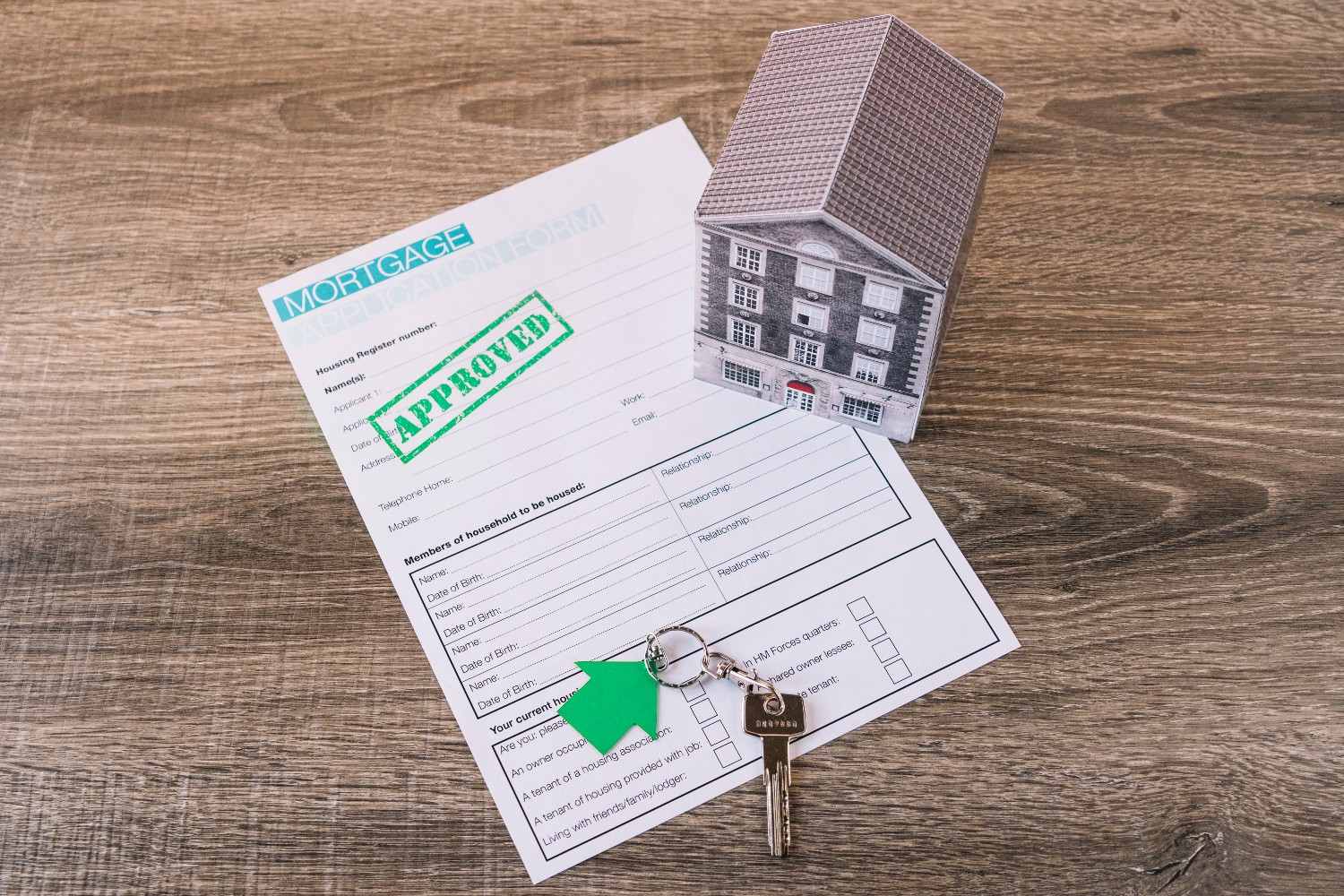
Buying a property in India can be an excellent investment for Non-Resident Indians (NRIs). Whether you are planning to purchase a home for your family, invest in residential property, or buy a commercial space, understanding the documentation process is essential.
For NRIs, property purchases involve not only regular property documents but also certain identity, banking, tax and FEMA-related requirements. Having the right documents ready can make the process smoother and help avoid unnecessary delays.
In this guide, we cover the documents required for NRIs to buy property in India, along with important legal, financial and registration requirements.
Can NRIs Buy Property in India?
Yes. Under FEMA regulations, an NRI or OCI can generally purchase immovable property in India, except agricultural land, farmhouses and plantation property. The purchase consideration must generally be paid through permitted banking channels or eligible NRI accounts such as NRE, FCNR(B) or NRO accounts.
Before making a purchase, however, it is important to verify your eligibility and the type of property you intend to buy.
Documents Required for NRI Property Purchase in India
Here is a practical checklist of the major documents an NRI should keep ready.
- Valid Passport
A valid passport is one of the primary identity documents required for an NRI property purchase.
It helps establish:
- Your identity
- Citizenship
- Passport number
- Date of birth
- Current personal details
Keep both the original and copies of the passport available during the property-buying process.
- Valid Visa or Overseas Residence Proof
Depending on your country of residence and circumstances, you may be asked to provide proof showing your overseas residency.
This could include:
- Valid visa
- Residence permit
- Work permit
- Overseas address proof
- Other government-issued residency documents
The exact requirement may vary between banks, developers and legal professionals.
- PAN Card
A Permanent Account Number (PAN) is an important document for property transactions and related tax compliance in India.
NRIs should ensure that their PAN details are correct and that their tax records reflect their NRI status where applicable. The Income Tax Department has also specified supporting documents that can be used to establish NRI status for PAN-related purposes.
- OCI Card, If Applicable
If you are an Overseas Citizen of India (OCI), keep a copy of your valid OCI card.
The current FEMA framework specifically recognises OCI cardholders and permits them to acquire immovable property in India, subject to applicable restrictions.
- Passport-Sized Photographs
Recent passport-sized photographs may be required for:
- Property registration
- Sale agreement
- KYC verification
- Bank documentation
- Loan applications
- Power of Attorney documentation
It is useful to keep several recent photographs available.
- Overseas Address Proof
Banks, builders, property sellers and registration authorities may require proof of your current overseas address.
Common documents include:
- Utility bill
- Bank statement
- Government-issued address document
- Residence permit
- Driving licence, where accepted
Make sure the document clearly displays your name and address.
- Indian Address Proof
If applicable, you may also need an Indian address proof, particularly when dealing with banks, developers or registration authorities.
Depending on the institution, accepted documents can vary.
- NRE/NRO/FCNR Bank Account Details
The source of funds is an important part of an NRI property transaction.
Under RBI regulations, payments for eligible immovable property can be made through banking channels using inward remittances or funds held in permitted NRE, FCNR(B) or NRO accounts. Payments should not be made using traveller's cheques or foreign currency notes.
Keep your relevant bank account details and transaction records safely.
- Bank Statements and Proof of Funds
If you are purchasing property using your own funds, the seller, developer or bank may request evidence of your financial capacity.
Documents can include:
- Recent bank statements
- Remittance records
- Salary slips
- Employment documents
- Investment statements
- Proof of source of funds
These documents can also be important if you are applying for an NRI home loan.
- Power of Attorney (PoA), If You Cannot Be Present in India
Many NRIs cannot travel to India for every stage of a property transaction. In such cases, they may appoint a trusted person in India through a Power of Attorney.
A PoA can authorise a representative to perform specified activities such as:
- Signing documents
- Representing the buyer before authorities
- Completing registration formalities
- Coordinating with the developer
- Handling certain banking or property-related procedures
The Power of Attorney should be drafted carefully and executed, authenticated and stamped/registered as required by applicable law.
It is strongly recommended to have a property lawyer prepare or review the document before signing it.
Documents Required If an NRI Takes a Home Loan
If you are financing your property purchase through an NRI home loan, the lender may ask for additional documents.
These may include:
- Passport
- Visa/residence permit
- PAN
- Overseas address proof
- Employment certificate
- Salary slips
- Bank statements
- Credit history
- Employment contract
- Existing loan details
- Property documents
- Power of Attorney, where applicable
Different banks have different eligibility and documentation requirements, so confirm the lender's current checklist before applying.
Property Documents You Should Verify Before Buying
Your documents are only one side of the transaction. The property itself should also undergo proper legal due diligence.
Before paying a significant amount, consider checking:
Title Deed
Verify that the seller has a valid and marketable title to the property.
Encumbrance Certificate
An Encumbrance Certificate can help identify registered encumbrances or claims associated with the property.
Approved Building Plan
Check whether the property's construction corresponds with the approved plans.
Completion or Occupancy Certificate
For completed projects, verify the applicable completion and occupancy documentation.
Sale Agreement
Read the sale agreement carefully before signing. It should clearly mention the property details, purchase price, payment schedule, possession terms and other important conditions.
RERA Registration
For applicable real estate projects, verify the project's registration and details under the relevant state RERA authority.
Tax and TDS Documents for NRI Property Purchase
Tax compliance is another important part of purchasing property in India.
For certain property transactions, buyers have TDS responsibilities. The Income Tax Department's current guidance states that transactions involving deduction on purchase of immovable property are covered under the applicable tax framework, with the new Form 141 serving as the challan-cum-statement for specified transactions under the Income Tax Act, 2025.
Because tax rules can depend on the transaction value, seller status and other factors, NRIs should obtain professional tax advice before completing the transaction.
Documents Required at the Time of Property Registration
The exact registration requirements can vary by state and local authority. Generally, an NRI buyer may need:
- Original passport
- PAN card
- OCI card, if applicable
- Address proof
- Passport-size photographs
- Sale agreement
- Sale deed
- Payment records
- Stamp duty payment details
- Registration fee details
- Power of Attorney, if represented by an authorised person
- Other documents requested by the local registration authority
Always check the latest requirements applicable in the state where the property is located.
NRI Property Purchase Checklist
Use this quick checklist before starting your purchase:
- Valid passport
- Valid visa/residence permit
- PAN card
- OCI card, if applicable
- Passport-size photographs
- Overseas address proof
- Indian address proof, if applicable
- NRE/NRO/FCNR account details
- Bank statements
- Proof of funds/source of funds
- Employment/income documents
- Home loan documents, if applicable
- Power of Attorney, if required
- Sale agreement
- Property title documents
- Encumbrance-related documents
- Approved building plan
- RERA details, where applicable
- Stamp duty and registration documents
- Tax/TDS compliance documents
Can an NRI Buy Property Without Visiting India?
In many cases, an NRI can complete property-related formalities without personally travelling to India by appointing an authorised representative through a properly executed Power of Attorney.
However, the exact process depends on the transaction, state registration rules, bank requirements and the wording and execution of the PoA.
If you are planning to buy remotely, get the PoA reviewed by a qualified property lawyer before signing it.
Important Things NRIs Should Check Before Buying Property
Apart from collecting documents, NRIs should take a few additional precautions.
Verify the Seller
Confirm the seller's identity and legal authority to sell the property.
Conduct Independent Legal Verification
Do not rely only on documents supplied by the developer or seller. An independent property lawyer can conduct title and legal due diligence.
Check the Source of Funds
Maintain proper records of remittances and payments made towards the property.
Understand All Costs
The purchase price is not the only expense. Consider:
- Stamp duty
- Registration charges
- GST, where applicable
- Legal fees
- Brokerage
- Loan processing fees
- Maintenance charges
- Other applicable local charges
Understand Repatriation Rules
If you may eventually sell the property and transfer funds outside India, understand the applicable FEMA, banking and tax rules beforehand. RBI rules contain specific conditions relating to repatriation of property sale proceeds.
Common Mistakes NRIs Should Avoid
Buying property from abroad can be convenient, but certain mistakes can create legal or financial complications.
Avoid:
- Buying without title verification
Never rely solely on a builder's or seller's statements. - Ignoring FEMA rules
Property eligibility and payment methods are governed by applicable regulations. - Using an improperly drafted Power of Attorney
A poorly drafted PoA can create problems during registration and other formalities. - Not maintaining payment records
Keep bank statements, remittance receipts and transaction records. - Ignoring tax compliance
Understand applicable TDS and other tax obligations before making payments. - Making payments through unauthorised methods
Use permitted banking channels and eligible accounts as applicable under the rules.
Final Thoughts
Buying property in India as an NRI does not have to be complicated when the documentation and legal process are handled properly. Your passport, PAN, NRI/OCI documents, address proof, banking records, source-of-funds documents and Power of Attorney, where required, form the foundation of a smooth transaction.
At the same time, document collection should not be the only priority. Property title verification, FEMA compliance, tax planning, payment records and registration requirements are equally important.
Since property and tax regulations can change and requirements may differ by state, NRIs should verify the latest rules with the relevant authorities and consult a qualified property lawyer or tax professional before completing a purchase.
Frequently Asked Questions
Can an NRI buy residential property in India?
Yes. NRIs can generally purchase residential and commercial immovable property in India, subject to applicable FEMA rules. Agricultural land, farmhouses and plantation property are generally excluded from the general purchase permission.
Is PAN mandatory for an NRI buying property in India?
PAN is an important tax identification document for property transactions and related tax compliance. The exact documentation requirements should be confirmed for the specific transaction.
Can an NRI buy property through a Power of Attorney?
An NRI may appoint an authorised representative to handle specified property-related activities through a properly executed Power of Attorney, subject to applicable legal and registration requirements.
Can an NRI purchase agricultural land in India?
The general FEMA permission available to NRIs and OCIs does not cover the purchase of agricultural land, farmhouses or plantation property.
Can an NRI use an NRO account to buy property?
Permitted payments for eligible property purchases can generally be made from NRE, FCNR(B) or NRO accounts, subject to applicable FEMA and banking rules.
Does an NRI need to be physically present during registration?
Not necessarily. Depending on the circumstances, an NRI may use a properly executed Power of Attorney, but state-specific registration requirements must be followed.

.jpg)

.jpeg)













.jpg)
.jpg)


.jpg)
.jpg)
.jpg)


.jpg)

.jpg)

.jpg)

.jpg)

.jpg)
.jpg)

.jpg)


.jpg)



.jpeg)

.jpg)










.jpg)

.jpg)

.jpg)

.jpg)