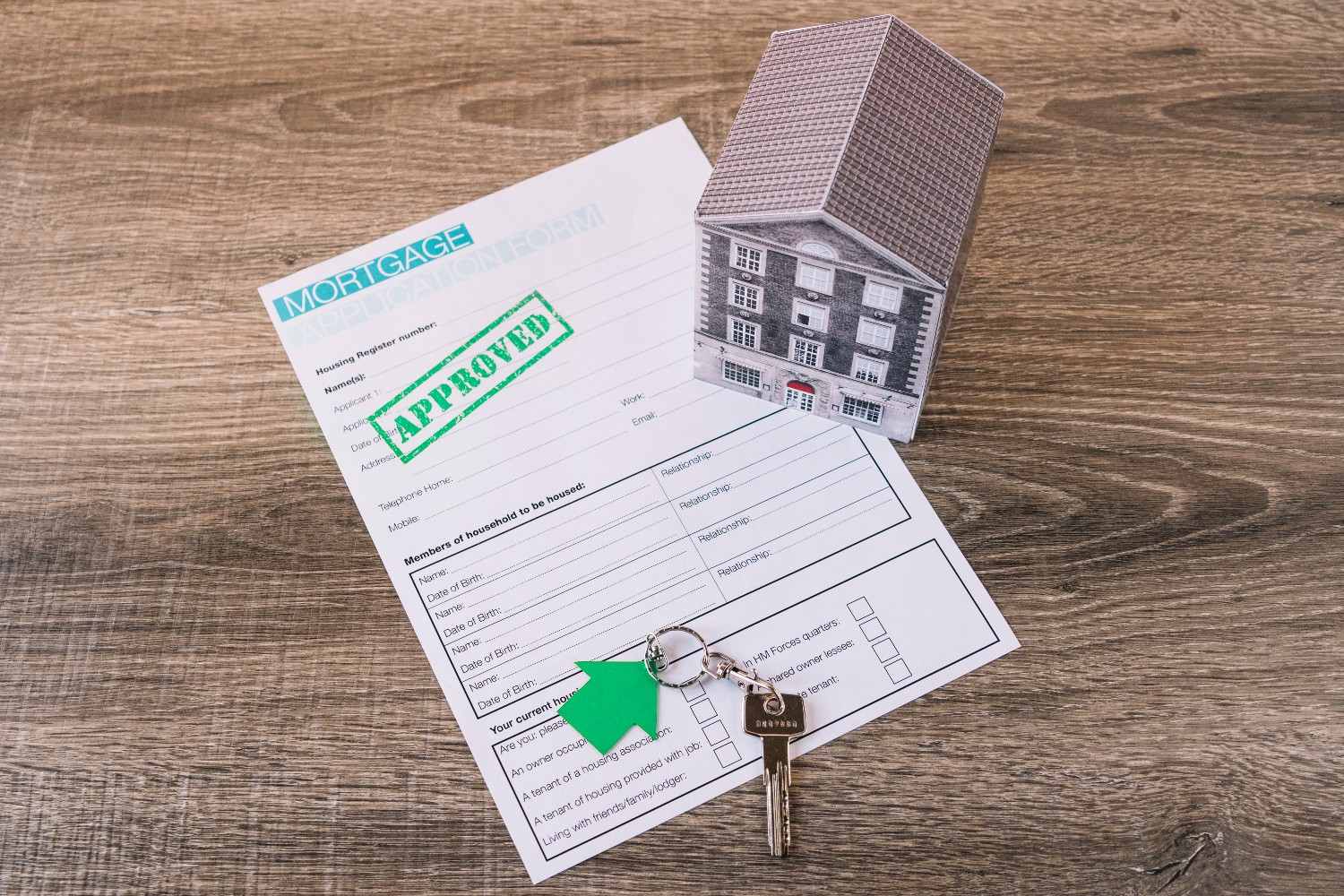
Buying a flat in Kolkata while living in Dubai, London, Singapore, the United States or another country may sound difficult. There are property visits to manage, documents to verify, payments to make and registration formalities to complete.
However, an NRI does not necessarily need to travel to India for every stage of the purchase.
With online property tours, digital documentation, professional legal verification and a properly executed Power of Attorney, much of the process can be managed remotely. The important thing is to create a secure system instead of depending entirely on a developer, broker or relative.
This step-by-step guide explains how NRIs can purchase a flat in Kolkata without being physically present in India.
Can an NRI Legally Buy a Flat in Kolkata?
In general, an NRI or Overseas Citizen of India can purchase residential and commercial immovable property in India, subject to the applicable provisions of the Foreign Exchange Management Act and related regulations.
RBI guidance states that an NRI or OCI can purchase immovable property in India other than agricultural land, plantation property or a farmhouse. The latest rules and transaction-specific conditions should always be verified through the Reserve Bank of India and an authorised dealer bank.
For most ordinary residential-flat purchases, separate RBI permission is generally not required when the buyer qualifies under the applicable NRI or OCI provisions. However, restrictions may apply based on citizenship, residency status, property type and the structure of the transaction.
An NRI should therefore confirm eligibility with a qualified property lawyer and authorised dealer bank before paying a booking amount.
Step 1: Decide Your Purpose and Budget
Before looking at projects, decide why you are buying the flat.
The property may be intended for:
- Personal use during visits to India
- Parents or family members
- Future retirement
- Rental income
- Long-term investment
- Permanent relocation to Kolkata
The purpose will influence the most suitable location, apartment size, construction status and budget.
For example, an under-construction apartment may offer more payment flexibility, but it also involves construction and possession risk. A ready-to-move flat may cost more, but the buyer can inspect the completed property and potentially start using or renting it sooner.
Your budget should include more than the advertised flat price. Consider:
- Base property price
- Floor or location charges
- Car parking
- Club or amenity charges
- Maintenance deposit
- GST, where applicable
- Stamp duty
- Registration fees
- Legal fees
- Brokerage
- Home-loan charges
- Interior work
- Property management expenses
Ask the developer for a written all-inclusive cost sheet. Do not make decisions using only the price shown in an advertisement.
Step 2: Shortlist the Right Kolkata Location
Kolkata offers different residential markets for different requirements.
An NRI looking for modern developments and proximity to the airport or business districts may explore New Town, Rajarhat or parts of Salt Lake. Someone wanting an established South Kolkata neighbourhood may consider areas such as Garia, Tollygunge, Jadavpur or the EM Bypass corridor.
The most suitable location depends on personal priorities.
While shortlisting, check:
- Distance from the airport
- Nearby hospitals
- Metro and road connectivity
- Schools and colleges
- Shopping and daily necessities
- Water supply and drainage
- Neighbourhood security
- Rental demand
- Upcoming construction nearby
- Maintenance quality
- Travel time during peak hours
Do not rely entirely on map distance. Ask a trusted local representative to travel through the area, record the surroundings and assess actual road conditions.
Step 3: Verify the Project on WBRERA
A developer’s brochure is a marketing document, not proof of legal compliance.
Before paying anything, search for the project on the official West Bengal Real Estate Regulatory Authority website where registration is applicable.
The WBRERA project page may provide information such as:
- Project registration number
- Promoter details
- Project type
- Current construction status
- Declared completion date
- Registered agents
- Approved plans and certificates, where available
- Extension information
Check whether the project name, phase, tower and developer shown on the portal match the property being offered.
A large development may have separate registrations for different phases. A registration number for one phase should not automatically be assumed to cover every tower in the project.
RERA registration is an important verification step, but it is not a government guarantee of construction quality, title, future returns or timely delivery. Independent legal due diligence is still necessary.
Step 4: Arrange a Detailed Virtual Property Inspection
A video call with a salesperson walking through a decorated sample flat is not enough.
Ask for a live, uninterrupted virtual inspection of:
- The actual unit, if ready
- The construction site
- The building entrance
- Lifts and staircases
- Car-parking area
- Fire exits
- Common facilities
- Approach road
- Neighbouring buildings
- Waterlogging-prone areas
- View from the selected apartment
- Distance from the main road
If the flat is under construction, ask the representative to show the exact tower and current floor-level progress.
For a resale property, the inspection should also cover:
- Walls and ceilings
- Dampness or leakage
- Plumbing
- Electrical points
- Doors and windows
- Bathroom condition
- Water pressure
- Occupancy status
- Society maintenance
- Outstanding dues
A professional property inspector can prepare a more independent report. This is especially useful when the NRI does not have a reliable family member in Kolkata.
Ask for dated photographs and videos. Marketing teams sometimes share old construction updates that do not reflect the current condition.
Step 5: Appoint an Independent Property Lawyer
The developer’s legal team represents the developer. The broker wants the transaction to be completed. Neither should replace your own lawyer.
Hire a Kolkata-based property lawyer who has experience with NRI transactions and who is independent of the seller.
The lawyer should examine documents relevant to the transaction, which may include:
- Title deeds
- Chain of ownership
- Encumbrance information
- Sanctioned building plan
- Land-use permissions
- Development agreement
- Power of Attorney held by the developer
- Municipal approvals
- RERA registration
- Completion Certificate
- Occupancy Certificate
- Property tax receipts
- Mutation records
- Society or association documents
- Existing mortgage or lender approval
- Draft agreement for sale
- Draft conveyance or sale deed
The exact documentation will depend on whether the property is new, under construction, ready to occupy or being sold by an existing owner.
Ask the lawyer for a written title and due-diligence report. A phone call saying that “everything looks fine” is not sufficient for a major investment.
Step 6: Prepare the Required KYC Documents
Developers, banks, lawyers and registration authorities may ask for different documents depending on the transaction.
Commonly required NRI documents may include:
- Valid passport
- Visa or residence permit
- OCI card, if applicable
- PAN
- Overseas address proof
- Indian address proof, where available
- Recent photographs
- Email address and mobile number
- NRE or NRO bank-account details
- Employment or income documents for a home loan
- Power of Attorney
- FATCA or other banking declarations
- Source-of-funds documents
Document requirements can change based on the buyer’s country of residence, citizenship and financing method.
Send sensitive documents only through secure channels. Avoid sharing complete passport, PAN or bank-account information casually through unknown WhatsApp numbers.
Watermark document copies with the intended purpose wherever appropriate, for example: “Submitted for purchase of Flat No. ___ in Project ___ only.”
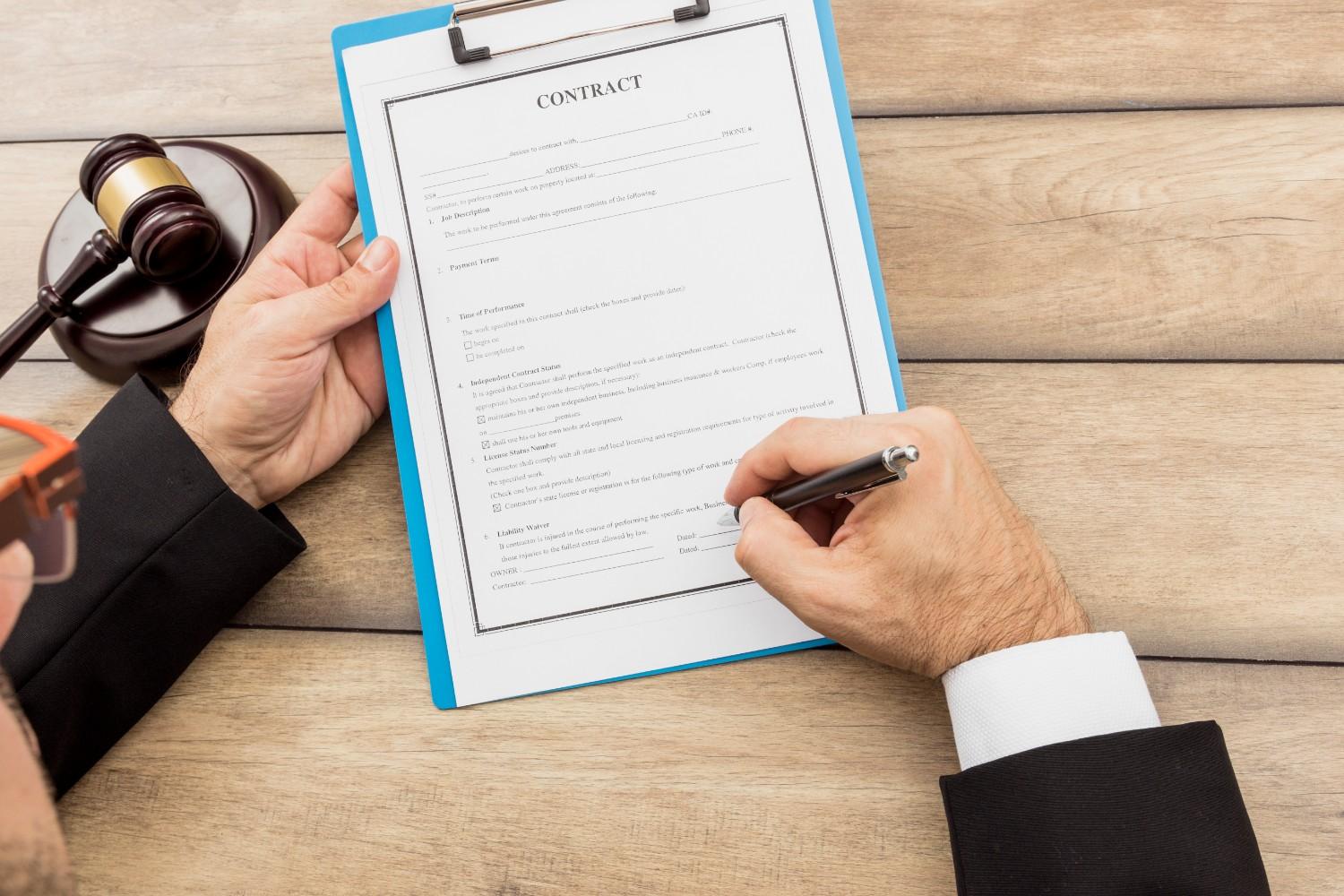
Step 7: Execute a Specific Power of Attorney
A Power of Attorney, or POA, allows a trusted person in India to perform specified activities on behalf of the NRI buyer.
The representative may be authorised to:
- Sign selected property documents
- Submit documents
- Appear before authorities
- Coordinate registration
- Collect possession-related papers
- Represent the buyer before the developer
- Complete specific banking formalities where permitted
A POA should not be drafted casually. Avoid giving unlimited financial or property powers when only a specific flat purchase is involved.
The document should clearly identify:
- The NRI buyer
- The appointed representative
- The specific property or transaction
- The powers being granted
- The powers being excluded
- The period of validity
- Revocation conditions
Depending on the country where it is signed and its intended use in India, the POA may need notarisation, apostille or attestation through the relevant Indian Embassy or Consulate. The Ministry of External Affairs provides general information concerning attestation and apostille services.
After it reaches India, additional stamping, adjudication or registration formalities may apply. Requirements should be confirmed with a local property lawyer and the relevant registration office before execution.
A trustworthy representative is essential. Choose someone who can act independently and is willing to preserve detailed records of every action.
Step 8: Review the Agreement Before Signing
Never sign a booking form or agreement simply because the salesperson says it is a standard format.
Review important clauses concerning:
- Exact apartment number
- Tower and floor
- Carpet area
- Undivided land share, where relevant
- Total consideration
- Taxes and additional charges
- Payment schedule
- Possession date
- Grace period
- Delay compensation
- Cancellation
- Refund
- Interest on delayed payments
- Specifications and amenities
- Car-parking rights
- Maintenance charges
- Defect liability
- Changes to the building plan
- Transfer or nomination
- Dispute resolution
All commercial promises should appear in writing.
If the salesperson promises a discount, free parking, modular kitchen, rental assistance or a particular view, ask for it to be included in the official documents or a signed annexure.
Verbal assurances are difficult to prove later.
Step 9: Make Payments Through Permitted Banking Channels
Property payments should be traceable and made through channels permitted under applicable FEMA and banking rules.
Depending on the buyer’s status and transaction, payments may generally be made through inward remittance or eligible non-resident bank accounts, subject to the applicable regulations.
Do not pay:
- Large amounts in cash
- Money into an employee’s personal account
- An unverified third-party collection agent
- An account whose beneficiary name does not match the agreement
- Unrecorded “facilitation” charges
Before every payment, verify:
- Beneficiary name
- Bank account
- Project name
- Demand letter
- Applicable tax
- Payment milestone
- Official receipt
Keep copies of remittance confirmations, bank statements, demand letters and receipts.
If a home loan is required, obtain approval early. NRI home-loan processes may involve additional KYC, income verification, overseas credit documents and a local POA.
Step 10: Understand Tax Deduction Responsibilities
A property buyer may have tax-deduction and reporting responsibilities depending on the property value, type of seller and law applicable on the payment date.
The compliance procedure can be different when buying from:
- A resident developer
- A resident individual
- An NRI seller
- Multiple joint owners
The Income Tax Department maintains current information on TDS compliance for immovable-property transactions.
Tax law and prescribed forms may change. Therefore, do not depend on an old online article or assume that the developer will handle the buyer’s obligations automatically.
Ask a Chartered Accountant to confirm:
- Whether TDS applies
- Applicable rate and base amount
- Timing of deduction
- Required form or statement
- Deposit deadline
- Certificate to be issued
- Treatment of multiple buyers or sellers
- Higher deduction requirements for an NRI seller
Incorrect or delayed compliance can create interest, penalties and difficulties during future resale.
Step 11: Complete Registration Through the Authorised Representative
Once the documents, payments and legal checks are complete, the authorised POA holder may represent the buyer during registration if the applicable procedures permit it.
Before registration, your lawyer should verify the final version of the deed.
After registration, obtain:
- Registered deed or certified copy
- Registration receipt
- Stamp-duty receipt
- Payment receipts
- Possession letter, where applicable
- Completion and Occupancy Certificates
- Handover documents
- Maintenance records
- Keys and access cards
- Car-parking documents
- Meter and utility information
Confirm that the buyer’s name, passport or PAN details, property description, area and consideration are recorded correctly.
Do not treat registration as the end of the process. Post-registration records must also be updated where applicable.
Step 12: Arrange Possession and Ongoing Property Management
If the flat will remain vacant or be rented out, appoint a reliable property-management service.
A local manager can assist with:
- Physical handover
- Snag inspection
- Interior work
- Utility connections
- Maintenance payments
- Tenant verification
- Rent collection
- Regular inspections
- Repairs
- Society communication
- Property tax coordination
The service agreement should define fees, responsibilities, spending limits and reporting frequency.
Ask for photographic updates and digital copies of every bill. Avoid giving unrestricted access to bank accounts or original property documents.
Important Red Flags for Remote Buyers
Stop and investigate if:
- The seller refuses to share documents before payment.
- The project registration cannot be verified.
- The tower or phase differs from the RERA record.
- Payment is requested in cash.
- Money must be sent to an individual employee.
- The salesperson creates artificial pressure to book immediately.
- The offered price is significantly below comparable properties.
- The seller discourages independent legal verification.
- The draft agreement contains blank spaces.
- A broad, irrevocable POA is demanded without explanation.
- Possession is promised without an Occupancy Certificate where one is required.
- The resale seller cannot produce the original title documents.
- The representative avoids showing the actual property during a live video call.
Remote transactions demand more documentation—not less.
Remote Flat-Purchase Checklist for NRIs
Before completing the purchase, confirm that you have:
- Verified your eligibility under FEMA.
- Obtained a PAN.
- Created a complete property budget.
- Verified the project on WBRERA.
- Completed a live virtual inspection.
- Appointed an independent property lawyer.
- Received a written due-diligence report.
- Verified the seller’s identity and authority.
- Reviewed the agreement for sale.
- Executed a specific and properly authenticated POA.
- Confirmed the correct payment channel.
- Taken advice regarding TDS and taxes.
- Verified the final deed before registration.
- Collected registered and possession documents.
- Arranged independent property management.
Frequently Asked Questions
Can an NRI buy a flat in Kolkata without coming to India?
Yes, many stages may be completed remotely. A properly executed Power of Attorney can allow an authorised representative to perform specific tasks in India, subject to the documentation and registration requirements applicable to the transaction.
Does an NRI need RBI permission to buy a residential flat?
An eligible NRI or OCI can generally purchase residential or commercial property in India without individual RBI approval, subject to FEMA regulations. Agricultural land, plantation property and farmhouses are treated differently.
Can an NRI make the complete payment from an overseas bank?
Payments must comply with FEMA and banking requirements. Buyers should confirm the acceptable remittance method and account route with their authorised dealer bank before transferring money.
Is a Power of Attorney compulsory?
It may not be compulsory in every transaction, particularly if the buyer travels to India for execution and registration. However, it is often required when the buyer wants a representative to complete important formalities without their physical presence.
Can a relative sign the sale deed for an NRI?
A relative may sign or represent the buyer only when legally authorised through an appropriately drafted and authenticated POA and when accepted under the applicable registration procedure.
Is an online video tour sufficient?
No. It is useful for initial screening but should be supported by an independent physical inspection, legal verification and examination of the actual property and surrounding area.
Final Thoughts
An NRI can buy a flat in Kolkata without visiting India, but convenience should never come at the cost of control.
The safest remote purchase involves multiple independent checks: official project verification, live inspection, legal due diligence, secure banking, tax compliance and a carefully limited Power of Attorney.
The developer or broker may coordinate the sale, but your lawyer, Chartered Accountant, bank and authorised representative should protect your interests.
When every promise is documented, every payment is traceable and every legal record is independently verified, buying a Kolkata flat from overseas can become a structured and manageable process rather than a leap of faith.

.jpg)

.jpeg)










.jpg)
.jpg)


.jpg)
.jpg)
.jpg)


.jpg)

.jpg)

.jpg)

.jpg)

.jpg)
.jpg)

.jpg)


.jpg)

.jpeg)
.jpg)










.jpg)

.jpg)

.jpg)

.jpg)