As people grow older, safety and comfort at home become more important than ever. For elderly residents, everyday activities such as using stairs, entering the bathroom, moving around the kitchen, or accessing different floors can sometimes become challenging. This is why modern apartments are increasingly being designed with senior-friendly features that make independent living safer and more comfortable.
From better lighting and anti-slip flooring to elevators, wider doorways, security systems, and accessible bathrooms, today’s residential developments are paying greater attention to the needs of older adults.
In this blog, we explore how modern apartments are becoming safer for elderly residents and what families should consider when choosing a senior-friendly home.
Why Senior-Friendly Apartment Design Matters
Mobility can naturally become more difficult with age. Balance, vision, muscle strength, and reaction time may change over the years, increasing the risk of falls and other household accidents.
A thoughtfully designed apartment can reduce many of these risks without making the home feel like a medical facility. Simple design choices can make a significant difference while allowing elderly residents to maintain their privacy, independence, and confidence.
For families looking to buy an apartment for aging parents, safety features should therefore be considered alongside location, amenities, size, and price.
- Easy Access Through Elevators
One of the biggest advantages of modern apartment buildings is the availability of elevators.
For elderly residents, climbing multiple flights of stairs every day can be tiring and potentially dangerous. Modern residential projects generally provide elevators that make it easier to move between floors.
Senior-friendly elevators may also include:
- Wide entrances for easier movement
- Handrails
- Emergency communication systems
- Large and clearly visible buttons
- Adequate lighting
- Backup power systems
Easy elevator access allows older residents to move around the building more independently.
- Anti-Slip Flooring Reduces Fall Risks
Falls are one of the major safety concerns for elderly people. Slippery floors, especially in bathrooms and kitchens, can increase the possibility of accidents.
Modern apartments are increasingly using flooring materials with better grip. Anti-skid tiles are particularly useful in wet areas such as bathrooms, balconies, and utility spaces.
Families should also look for apartments where floor surfaces are relatively even and free from unnecessary level changes.
- Safer and More Accessible Bathrooms
Bathrooms require special attention when designing a senior-friendly home.
Wet floors, limited space, and the absence of support can make bathrooms risky for elderly residents. Modern apartments can improve bathroom safety through features such as:
- Anti-slip flooring
- Grab bars and support rails
- Walk-in showers
- Handheld shower systems
- Easy-to-use faucets
- Adequate ventilation
- Bright lighting
- Sufficient movement space
These features can make everyday routines much safer and reduce dependence on family members or caregivers.
- Better Lighting in Common Areas
Good lighting is another important part of elderly-friendly apartment design.
Vision can change with age, making poorly lit corridors, staircases, parking areas, and entrances more difficult to navigate. Modern apartment communities are increasingly using brighter and strategically placed lighting throughout common areas.
Motion-sensor lighting can be particularly helpful in corridors, parking areas, and pathways because lights automatically switch on when someone approaches.
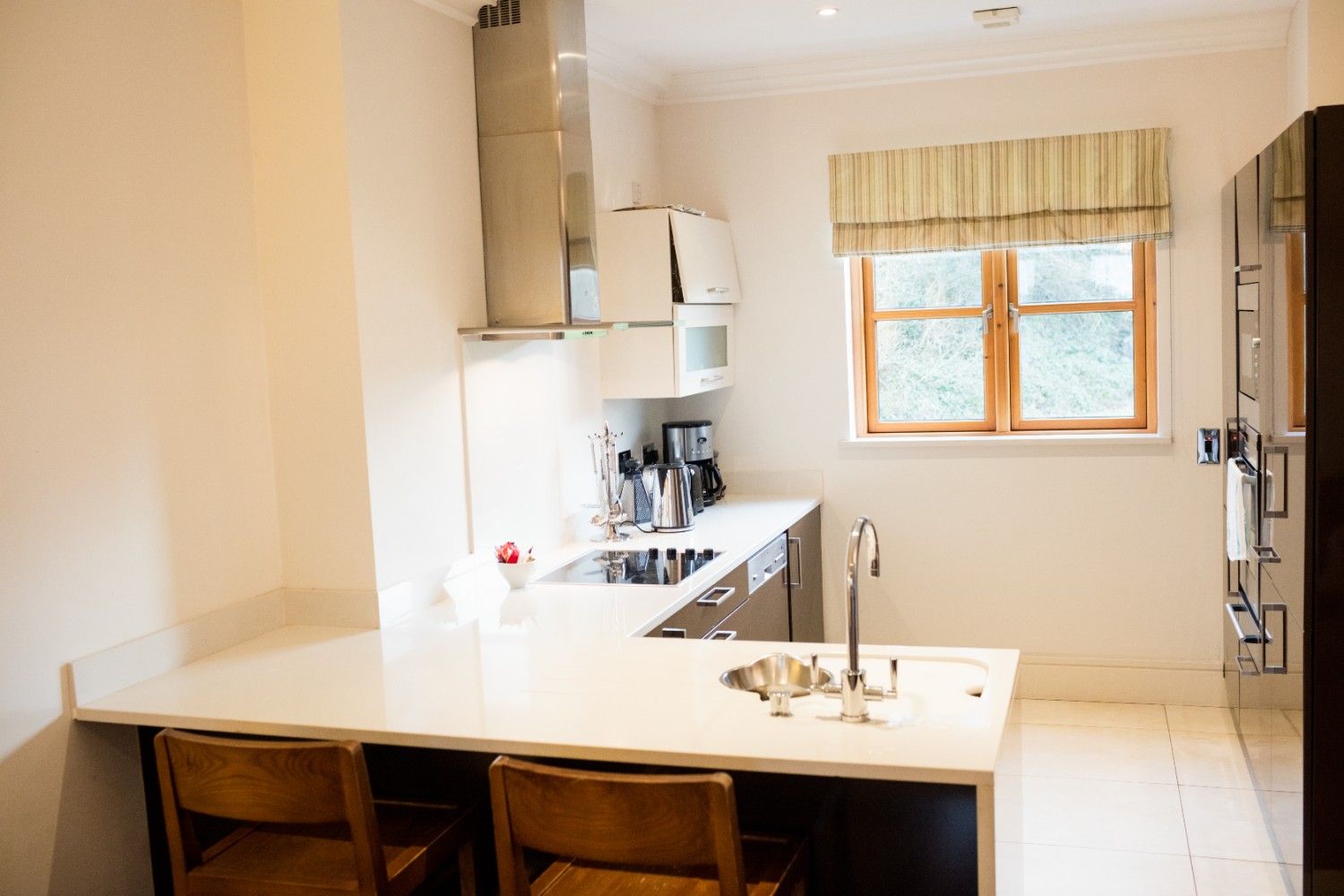
Inside the apartment, adequate lighting near the bed, bathroom, kitchen, and entrance can also improve safety.
- Wider Doorways and Better Accessibility
Mobility aids such as walking sticks, walkers, and wheelchairs may become necessary for some elderly residents. Wider doorways and thoughtfully planned layouts can make movement easier.
Open floor plans can also reduce unnecessary obstacles. A home with fewer narrow passages and sharp corners can be easier for older adults to navigate.
When buying an apartment, families should consider whether furniture can be arranged without blocking important walking routes.
- Smart Home Technology for Elderly Safety
Technology is playing an increasingly important role in modern residential safety.
Smart home systems can help elderly residents manage their homes more conveniently. Depending on the apartment and building, features may include:
- Smart door locks
- Video doorbells
- Security cameras
- Motion sensors
- Emergency alert systems
- Smart lighting
- Voice-controlled devices
- Smoke and gas detection systems
These technologies can provide an additional layer of security while allowing family members to stay connected with elderly relatives when appropriate.
- Improved Security Systems
Security is an important consideration for elderly residents who may spend significant time at home alone.
Modern apartment communities often provide multiple layers of security, including controlled entry, CCTV surveillance, security personnel, visitor management systems, and intercom facilities.
A secure residential environment can provide peace of mind not only to elderly residents but also to their families.
- Emergency and Medical Assistance
Some modern residential communities are also focusing on faster emergency response.
Features such as emergency call buttons, security desks, ambulance access, fire safety systems, and nearby medical facilities can be valuable for senior residents.
While these facilities cannot replace professional medical care, having an efficient emergency response system within a residential community can be extremely useful when urgent assistance is needed.
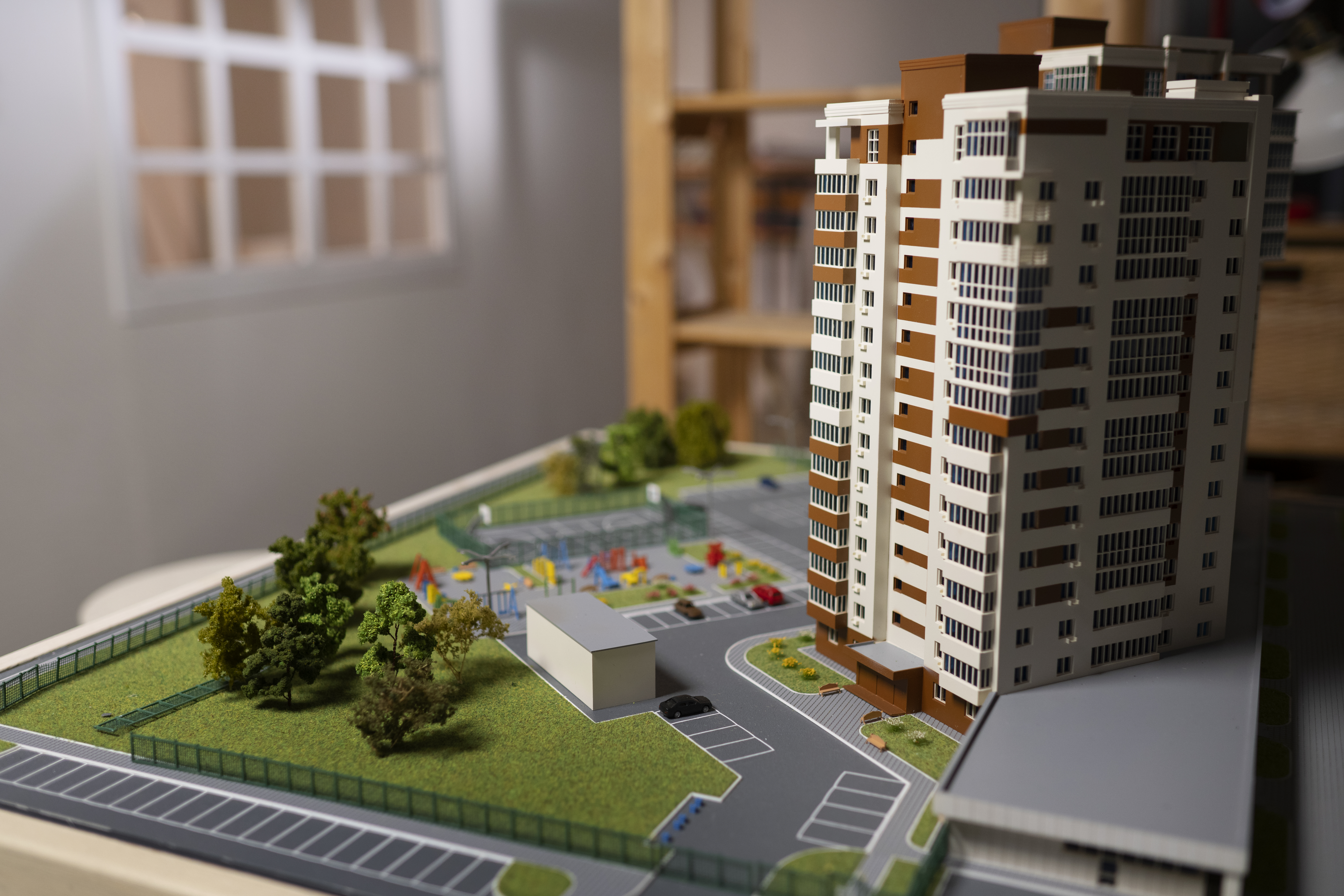
- Senior-Friendly Community Spaces
Safety is not limited to the apartment itself. The surrounding community also matters.
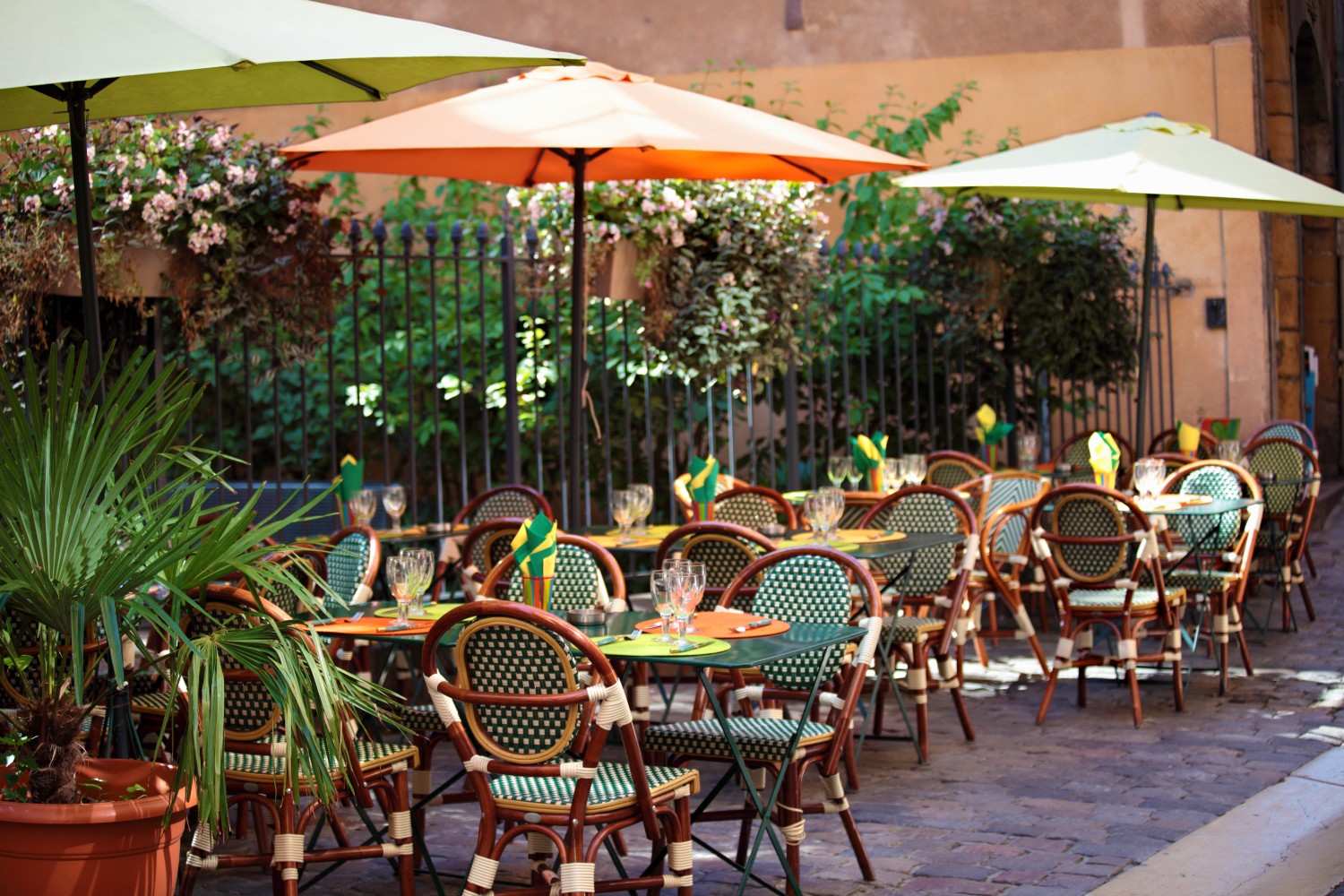
Modern residential projects are increasingly creating comfortable spaces where residents can walk, relax, socialize, and participate in activities.
Senior-friendly amenities may include:
- Landscaped walking paths
- Seating areas
- Community halls
- Gardens
- Fitness areas
- Quiet recreational spaces
Safe walking areas with proper lighting and seating can encourage elderly residents to stay active and socially connected.
- Accessible Parking and Building Entrances
Getting from the vehicle to the apartment can sometimes be challenging for elderly residents.
Senior-friendly apartments may provide convenient parking spaces close to building entrances, ramps, elevators, and smooth pathways.
A well-planned entrance should ideally minimize unnecessary steps and provide sufficient space for residents using mobility aids.
- Fire Safety and Emergency Preparedness
Fire safety is particularly important in high-rise apartment buildings.
Modern residential developments generally incorporate fire alarms, emergency exits, fire extinguishers, sprinkler systems, smoke detection, and other safety measures.
For elderly residents, clearly marked emergency routes and easily accessible exits can make evacuation easier during an emergency.
Families should understand the building’s emergency procedures before moving into an apartment.
- Maintenance-Free and Low-Risk Living
Another advantage of modern apartments is that many maintenance responsibilities are handled by the residential management team.
Tasks such as maintaining elevators, common-area lighting, gardens, security systems, and other facilities are generally managed by the building or community management.
This can reduce the physical burden on elderly residents and allow them to focus more on enjoying their daily lives.
What Should Families Look for in a Senior-Friendly Apartment?
If you are planning to purchase or rent an apartment for elderly parents or relatives, consider more than just the size and location of the property.
Look for:
- Reliable elevators
- Anti-slip flooring
- Accessible bathrooms
- Good lighting
- Minimal stairs
- Wider doorways
- Secure entrances
- CCTV and security personnel
- Emergency response facilities
- Accessible parking
- Walking areas
- Nearby healthcare facilities
- Backup power
- Low-maintenance living
Visiting the property personally can also help you understand whether the layout is genuinely comfortable for an elderly resident.
The Future of Elderly-Friendly Housing
As India's population ages and more families choose apartment living, the demand for senior-friendly residential spaces is likely to increase.
The concept of a modern apartment is gradually moving beyond attractive interiors and luxury amenities. Safety, accessibility, convenience, and long-term usability are becoming equally important.
Future residential projects may combine universal design with smart technology to create homes that remain comfortable throughout different stages of life.
Final Thoughts
A safe home can make a major difference in an elderly person's quality of life. Modern apartments are increasingly addressing senior safety through better accessibility, improved security, smart technology, safer bathrooms, anti-slip flooring, elevators, emergency systems, and thoughtfully designed community spaces.
For families choosing a home for aging parents, these features should not be treated as optional luxuries. They can contribute to greater independence, confidence, comfort, and peace of mind.
When choosing a modern apartment, think beyond how the home looks today. Consider how safe, accessible, and comfortable it will remain as residents grow older.
.jpg)
.jpeg)
.jpg)
.jpg)
.jpg)
.jpg)
.jpg)
.jpg)
.jpg)
.jpg)

.jpg)
.jpg)
.jpg)
.jpg)
.jpg)

.jpeg)
.jpg)
.jpg)
.jpg)
.jpg)
.jpg)