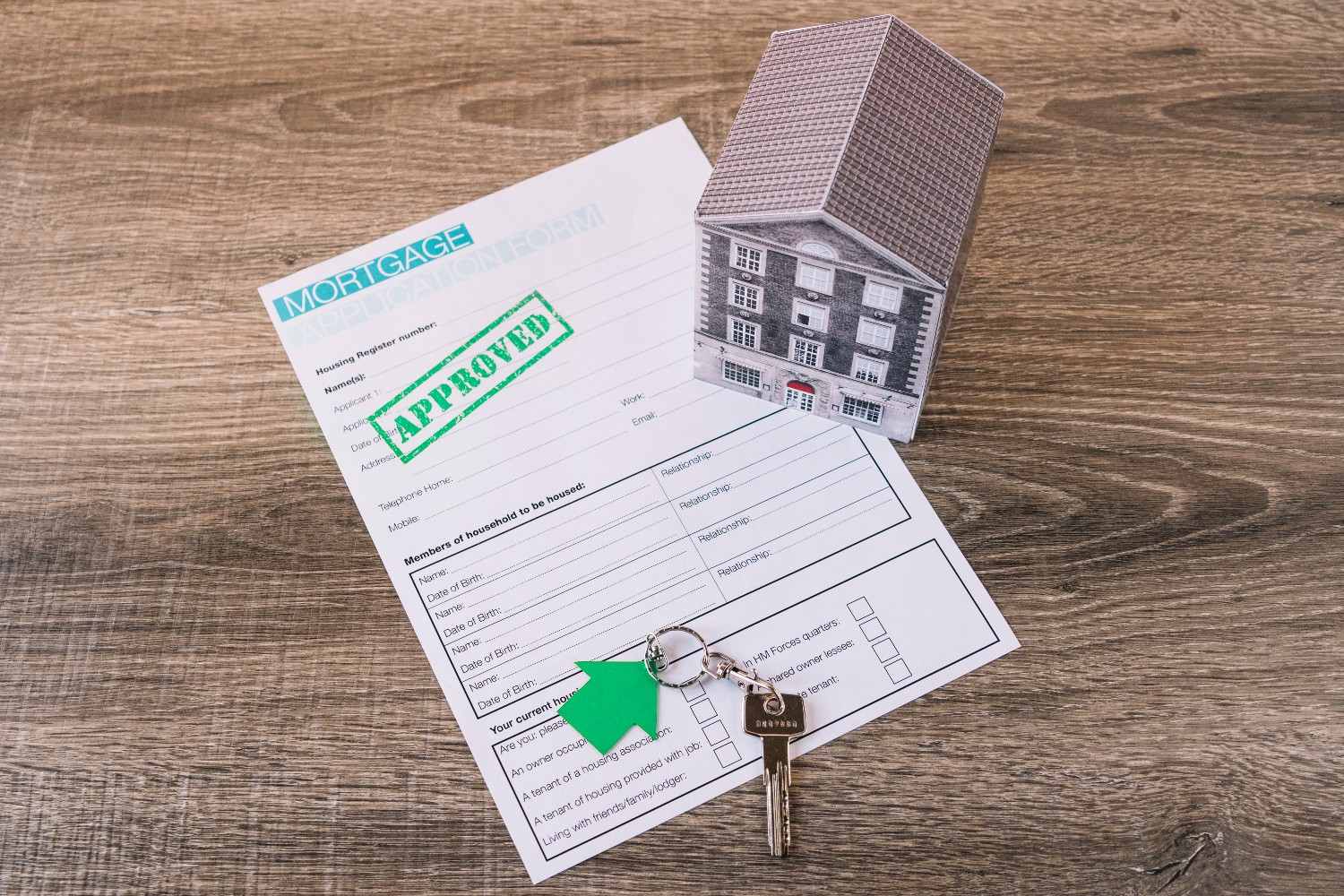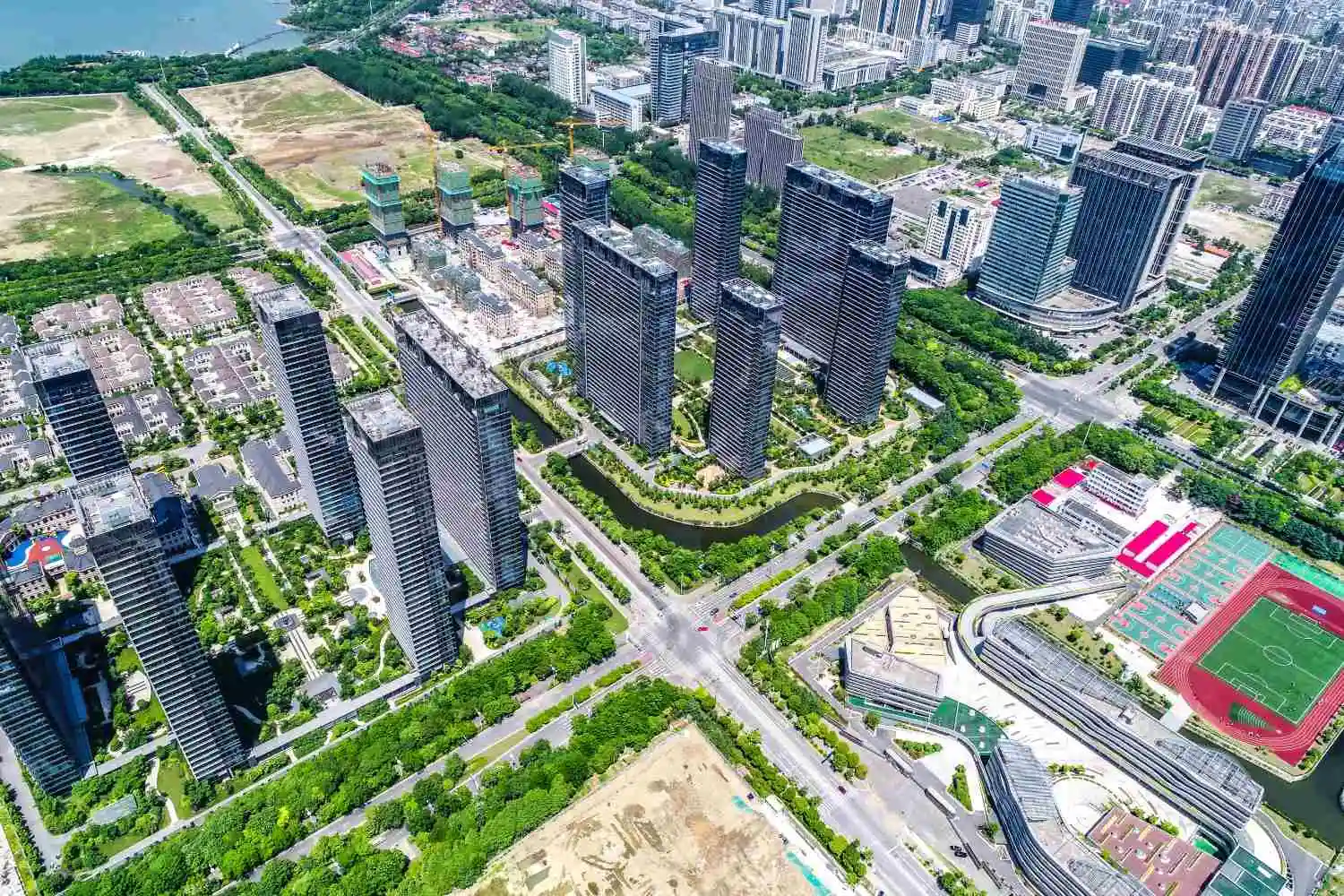
The real estate landscape is constantly evolving, and as we navigate through 2026, the age-old dilemma for homebuyers remains as prominent as ever: should you invest in a ready-to-move (RTM) property or opt for an under-construction (UC) project?
With stricter regulations, advanced construction technologies, and shifting economic dynamics, the parameters for making this decision have changed. Whether you are a first-time homebuyer looking to escape the rental trap or a seasoned investor seeking high returns, understanding the nuances of both options is crucial.
Here is a comprehensive guide to help you decide which property type aligns best with your goals in 2026.
The Case for Ready-to-Move (RTM) Properties in 2026
For many buyers, the appeal of a completed home is undeniable. You pay the price, get the keys, and step into your new life. But what exactly makes RTM properties an attractive choice today?
- Instant Gratification and Certainty The biggest advantage of a ready-to-move home is the elimination of uncertainty. What you see is exactly what you get. You can inspect the final layout, assess the quality of the construction, check the views from your balcony, and experience the neighborhood firsthand. There is zero risk of project delays, which brings immense peace of mind.
- Immediate Relief from Rent If you are currently paying rent, an RTM property allows you to move in immediately. This means you can stop paying rent and channel those funds directly toward your home loan Equated Monthly Installments (EMIs). Managing both rent and an EMI simultaneously can be a heavy financial burden, and RTM homes eliminate this dual stress.
- Tax Benefits In terms of taxation, ready properties offer immediate advantages. Homebuyers can claim tax deductions on both the principal and the interest components of their home loan under the relevant sections of the Income Tax Act right from the year they take possession.
- Mature Neighborhoods Completed projects are often situated in areas with established infrastructure. The surrounding roads, schools, hospitals, and shopping centers are likely already functional, ensuring that your daily life transitions smoothly without the growing pains of a developing locality.
The Appeal of Under-Construction (UC) Properties in 2026
While ready properties offer immediate comfort, under-construction properties have long been the darling of real estate investors and budget-conscious buyers. With regulatory bodies like RERA (Real Estate Regulatory Authority) now highly mature and effective in 2026, the risks traditionally associated with UC projects have drastically minimized.
- Cost-Effectiveness and Better Pricing Historically and presently, under-construction properties are priced significantly lower than their ready-to-move counterparts. Because you are committing to a project before it is finished, developers offer attractive entry prices. This price difference can be a major deciding factor for buyers stretching their budgets.
- Higher Potential for Capital Appreciation If you are looking at real estate as an investment, UC properties usually offer a superior Return on Investment (ROI). As the construction progresses and the surrounding infrastructure develops, the property's value appreciates. By the time the project is ready for possession, the market value of your home is often considerably higher than your purchase price.
- Flexible Payment Plans Unlike RTM properties that require a lump-sum payment or full loan disbursement upfront, under-construction properties offer staggered payment plans. You pay according to the construction milestones (construction-linked plans). This eases the immediate financial burden and gives you time to manage your cash flow effectively over the 2-to-4-year building cycle.
- Modern Amenities and Smart Home Tech A property being built in 2026 is going to feature the latest in architectural design, sustainable building materials, and smart home integrations. From EV charging stations in the parking lots to AI-driven security systems and energy-efficient layouts, newer constructions are better equipped to handle the lifestyle demands of the future.
Key Factors to Consider Before Making a Choice
To make the best decision for your unique situation, weigh the following factors:
- Your End Goal: Are you buying for self-use or investment? If you need a roof over your head immediately, RTM is the logical choice. If you are parking funds for future wealth creation, UC properties generally yield better margins.
- Risk Appetite: While RERA has made the market safer, UC properties still carry a slight risk of delays due to unforeseen macroeconomic factors or supply chain disruptions. RTM properties carry near-zero execution risk.
- Financial Liquidity: Assess your current cash flow. Can you afford to pay a 20% down payment and full EMIs immediately? If so, RTM works. If you prefer paying in smaller tranches over a few years, a UC property will suit your wallet better.
- Customization Needs: If you want to customize your floor plan, choose specific tiles, or knock down a non-structural wall to expand a room, developers are much more accommodating when the property is still under construction.
The Verdict: Which is Better?
In 2026, there is no one-size-fits-all answer—it entirely depends on your financial readiness and personal timeline.
If you value security, immediate possession, and want to avoid the double burden of rent and EMIs, a Ready-to-Move property is your best bet. It provides a safe, predictable route to homeownership.
However, if you are looking for better pricing, higher capital appreciation, modern amenities, and have the flexibility to wait, an Under-Construction property is a highly rewarding choice, especially now that strict regulatory frameworks protect homebuyers better than ever before.
Evaluate your finances, define your timeline, and choose the path that paves the way for your secure future.
.jpg)

.jpeg)








.jpg)
.jpg)


.jpg)
.jpg)
.jpg)

.jpg)
.jpg)

.jpg)

.jpg)

.jpg)
.jpg)

.jpg)

.jpg)



.jpeg)

.jpg)










.jpg)

.jpg)

.jpg)

.jpg)