A good location can bring you to a property. A reliable real estate developer helps you decide whether it is the right home to buy.
That distinction matters. You are choosing a team responsible for construction, documentation, communication and handover. Their work can affect your finances, moving plans and everyday experience long after booking.
So, how do you choose a real estate developer with confidence?
Start with five qualities: construction quality, transparency, a credible delivery record, attention to documentation and responsive customer support. Then look for evidence of each in the specific project you are considering.
Whether you are exploring flats in New Town, Kolkata, or comparing homes elsewhere, these qualities provide a practical foundation for your decision.
Quality One A Clear Commitment to Construction Quality
Construction quality is about how a building performs and how comfortably people can use it. Decorative finishes are part of the picture, but they should not be the whole assessment.
A dependable developer should be able to explain the proposed specifications and show how the finished home relates to them.
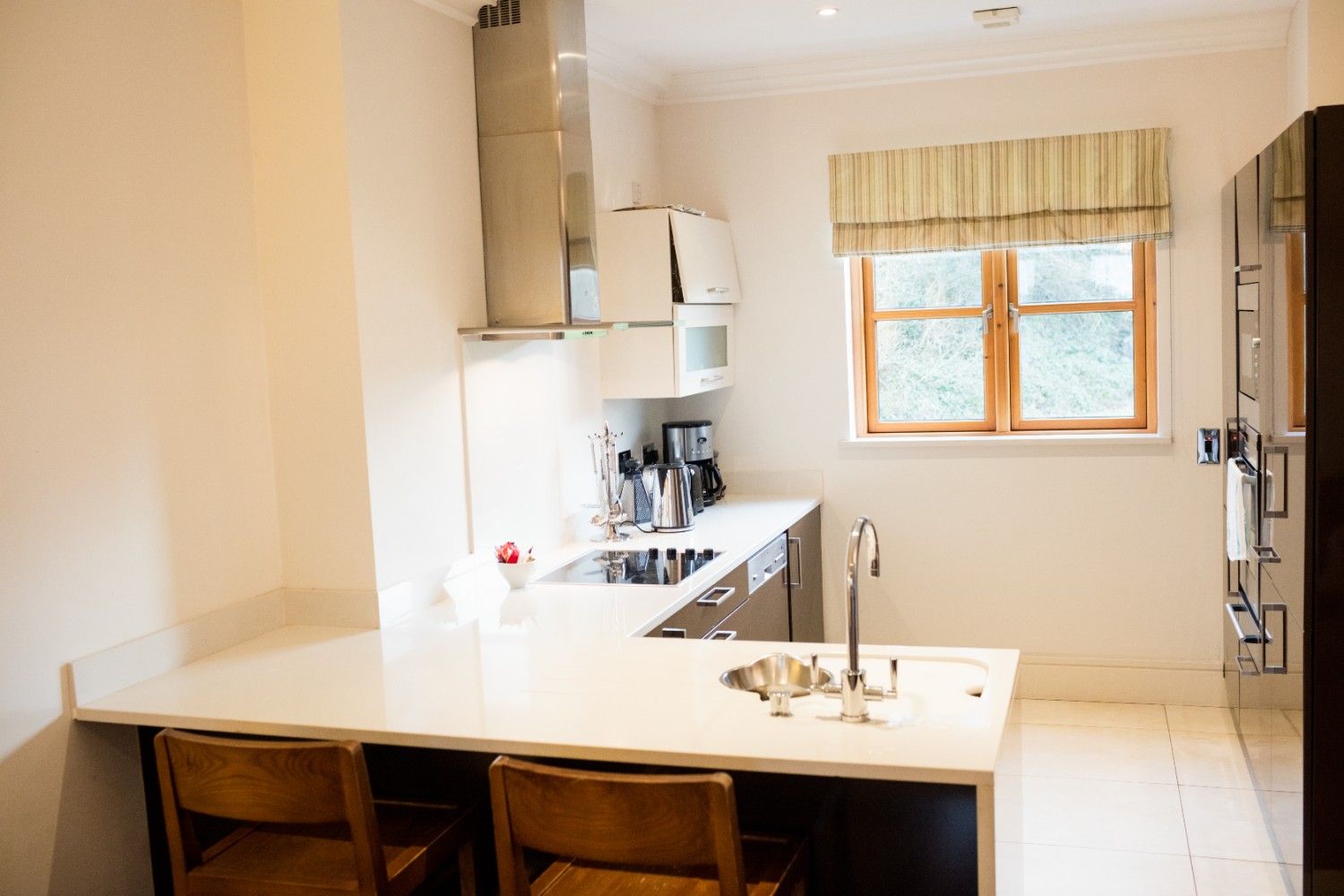
Look closely at usable space, ventilation, workmanship and the condition of shared facilities. A beautiful sample flat does not tell you everything about the apartment you will receive.
What Buyers Should Check
Ask for written specifications covering finishes, fittings and other relevant features. Compare the apartment’s dimensions with the plans provided.
During a visit, examine accessible areas for visible workmanship issues, water stains, damaged finishes or poorly maintained common spaces. These observations can prompt questions; they are not substitutes for a technical inspection.
For specialist concerns, arrange an assessment by a qualified professional.
A Useful Question to Ask
“Can you show me the specifications applicable to this apartment and explain what is included in the handover?”
A specific answer gives you something to assess. Broad claims such as “premium quality” are less useful without supporting details.
Quality Two Transparent Pricing and Communication
Buying a home should not require guessing what the final cost will be.
A transparent developer provides understandable information about the apartment, payment schedule and applicable charges. Important answers should be available in writing so you can review them carefully.
This matters when comparing projects. A lower advertised price may not represent a lower complete purchase cost.
Look for a Complete Cost Statement
Request an itemised quotation showing the base price and all applicable charges. Clarify parking, maintenance-related payments, taxes, registration expenses and optional additions.
Review when payments become due and what conditions apply to cancellation or changes. Have the agreement explained independently if a term is unclear.
Also distinguish carpet area from other area measurements. Comparisons are meaningful only when you understand what each figure represents.
A Useful Question to Ask
“What is the complete estimated acquisition cost, and which amounts may change before registration or possession?”
A clear explanation helps you plan your finances and compare alternatives on the same basis.
Quality Three A Credible Record of Delivery
A possession date can shape years of household planning. It affects rent, financing, interiors and the timing of your move.
A developer’s previous delivery record is therefore worth examining. Experience should be assessed through completed work, not simply the number of years mentioned in a brochure.
Ask about comparable projects and speak to residents where possible. Learn what was delivered, when handover took place and how unresolved work was handled.
Assess the Current Project Separately
Past performance is useful context, but it cannot guarantee the outcome of a new project.
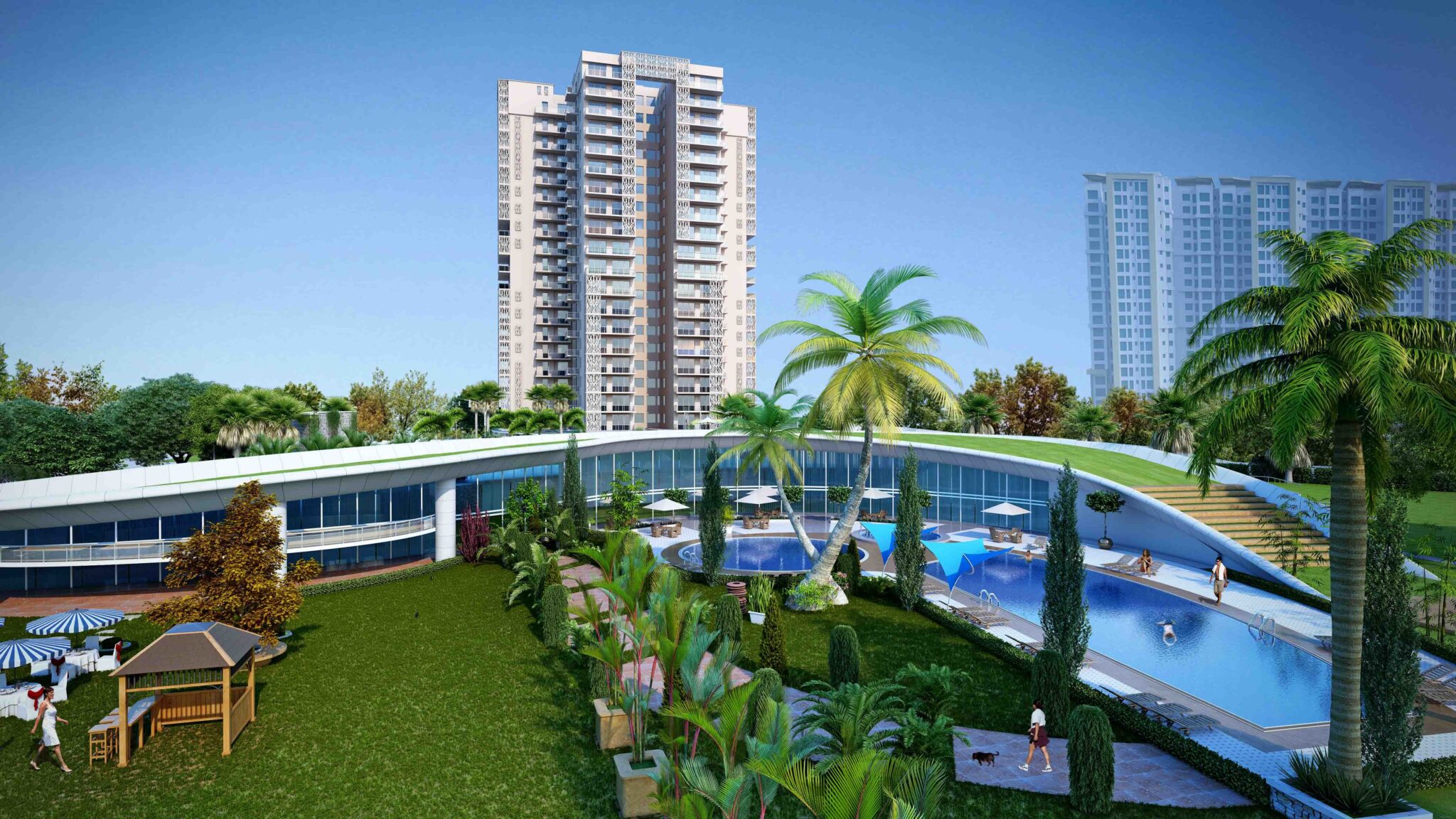
For an under-construction home, compare visible progress with the proposed schedule. Confirm the specific building, phase and apartment covered by the possession terms.
The West Bengal Housing Department’s WBRERA guidance explains that developers must disclose the delivery or possession date when registering a project. [1] Review the relevant project information alongside the agreement and any recorded changes.
A Useful Question to Ask
“What is the possession schedule for this exact phase, what progress supports it, and what conditions are recorded in the agreement?”
The answer should help you understand the commitment without relying on a general promise of quick delivery.
Quality Four Willingness to Provide Clear Documentation
A trustworthy buying process makes important documents available for examination.
Buyers should be able to establish who is selling the apartment, which project it belongs to and which approvals and contractual terms apply.
For buyers in West Bengal, the Housing Department explains that registered-project information and related documents are available for public viewing through WBRERA. Its guidance identifies documents such as title deeds, sanctioned plans and layout plans within the registration process. [1]
Registration Is a Starting Point for Research
Check the applicable registration details on the official authority’s website. Match the promoter, project and phase with the property being offered.
Arrange an independent review of title and transaction documents. For a completed home, ask about the relevant completion or occupancy documentation and verify its applicability.
Registration should be considered alongside other checks. It does not replace inspection of the apartment or assessment of the purchase terms.
A Useful Question to Ask
“Which documents can I review before booking, and do they correspond to the exact project and apartment I am considering?”
Willingness to provide clear answers supports a more informed decision.
Quality Five Responsive Support Before and After Possession
The homebuying relationship continues after the booking amount is paid.
Questions may arise about payment records, specifications, progress, inspection or handover. After moving in, owners may need help understanding maintenance arrangements or reporting issues.
A responsive developer makes it clear who handles these questions and how they are recorded.
Evaluate the Process as Well as the Tone
Courteous sales communication is welcome, but buyers also need continuity.
Ask whether there is a designated contact for existing purchasers. Clarify how issues can be raised, how updates are shared and how handover observations are followed up.
Speak to residents of completed projects about their experience. Look for recurring patterns rather than relying on one highly positive or negative review.
A Useful Question to Ask
“Who will handle my enquiries after booking and possession, and what is the process for recording and resolving an issue?”
A clear support process helps buyers understand what happens when assistance is needed.
How to Compare Developers Without Relying on Advertising
Use the same five qualities for every shortlisted project.
A recognisable brand may deserve consideration, but the decision should rest on evidence relevant to your purchase. A smaller developer should be evaluated through the same questions.
Prepare a simple comparison record:
- Specifications and observations from site visits.
- Complete cost statements and payment terms.
- Delivery history and current project progress.
- Documents reviewed and questions still outstanding.
- Customer support contacts and procedures.
This makes it easier to compare substance instead of presentation.
If a material question remains unanswered, resolve it before treating the project as ready for a buying decision.
Common Mistakes to Avoid When Choosing a Developer
Buyers can become focused on a discount, an attractive brochure or a limited-time offer.
These details may influence a shortlist, but they should not replace checking the property and agreement.
Avoid assuming that all phases have the same possession status. Do not treat a sample flat as a complete representation of the purchased apartment. And do not rely on a verbal explanation when the issue affects cost, specifications or handover.
A site visit, document review and clear written quotation work together. Each answers questions that the others cannot.
Frequently Asked Questions
What are the top five qualities of a good real estate developer
They are construction quality, transparent pricing and communication, a credible delivery record, clear documentation and responsive customer support.
How do I check a developer’s reputation
Inspect completed projects, speak to residents, review relevant public records and compare consistent feedback. Assess the specific project alongside the wider reputation.
Is a registered project enough to make a buying decision
No. Applicable registration is an important check, but buyers should also review documents, inspect the property and understand the complete cost and agreement.
Why is the possession schedule important
It affects rent, financing and moving plans. Confirm the schedule and conditions for the exact building or phase rather than relying on a general project description.
Should I choose the developer offering the lowest price
Compare complete costs and what is included. A lower price needs to be assessed alongside quality, documentation, delivery and maintenance expenses.
What should I ask before booking a flat in New Town Kolkata
Request the apartment details, specifications, complete cost, applicable project documents, possession terms and customer support arrangements.
Choose a Developer Through Evidence You Can Review
The right real estate developer should make it easier to understand both the home and the buying process.
Construction quality gives you a property to assess. Transparency explains the commitments. Delivery history, documentation and customer support help you evaluate what happens between booking and living in the home.
Shortlist your preferred projects, prepare these questions and arrange a site visit. A confident homebuying decision starts with clear information about the people and project behind the property.
.jpg)

.jpeg)





.jpg)
.jpg)


.jpg)
.jpg)
.jpg)

.jpg)
.jpg)

.jpg)

.jpg)

.jpg)
.jpg)

.jpg)

.jpg)


.jpeg)
.jpg)








.jpg)

.jpg)

.jpg)

.jpg)